The first time it happens, you are rarely ready. You are holding a coffee or reading on the deck when a column of white vapour rises from the water below the cliffs. A moment later comes the sound, a deep exhalation carried up on the wind. Then a broad black back surfaces, slow as a boat, and slides back under.
In De Kelders, this is what September looks like.
Why the whales come here
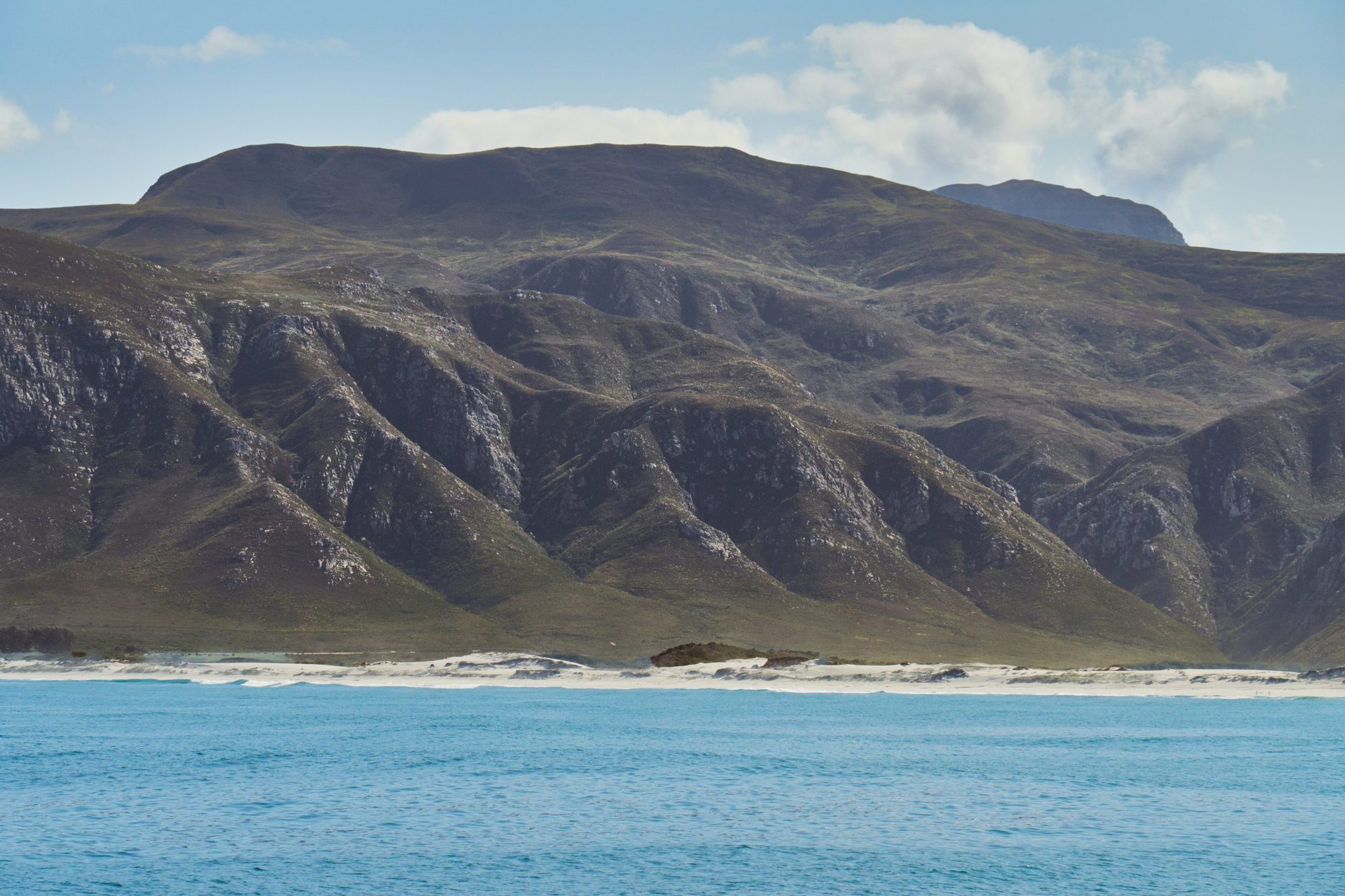
Southern right whales spend the southern summer feeding in the cold waters towards Antarctica. In the southern winter they travel north to the coast of South Africa to mate, give birth and raise their calves in sheltered bays. Walker Bay, with Hermanus on its western shore and De Kelders on its eastern side, is one of the most famous of these nurseries.
The first whales usually arrive around June. Numbers build through July and August, and calving often starts around August. The season peaks roughly from September into October, when mothers and calves linger close inshore. By November most have begun the journey south again, though a few stay later. CapeNature, which manages the Walker Bay Nature Reserve, notes that humpback and Bryde’s whales also pass through, and dolphins are sometimes seen.
None of this can be scheduled. Whales are wild animals, and there are quiet days even in peak season. But the geography is on your side. The bay is sheltered, the water is deep close to the shore, and in De Kelders the land rises straight out of the sea. You watch from a natural grandstand.
Where to watch
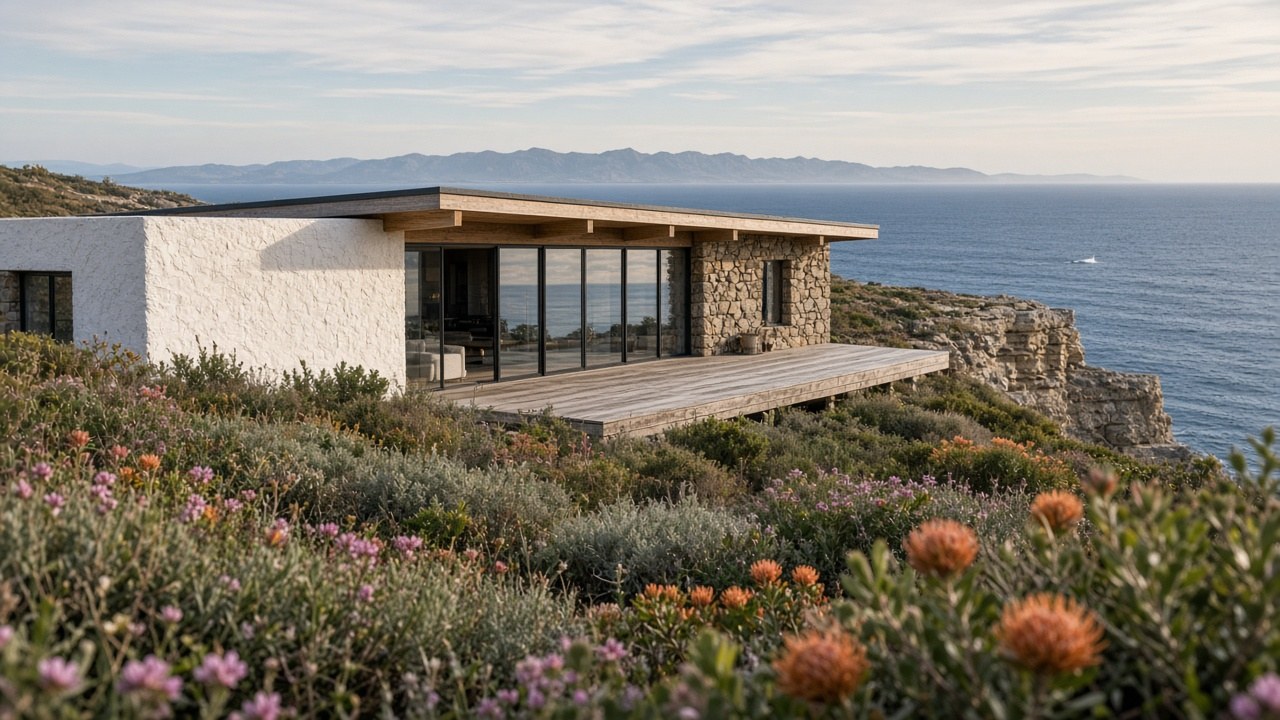
From your own deck. Many homes along the De Kelders cliffs look straight over the bay. This is the real luxury of staying here rather than visiting for the day: you watch at breakfast, at dusk and all the unplanned moments in between.
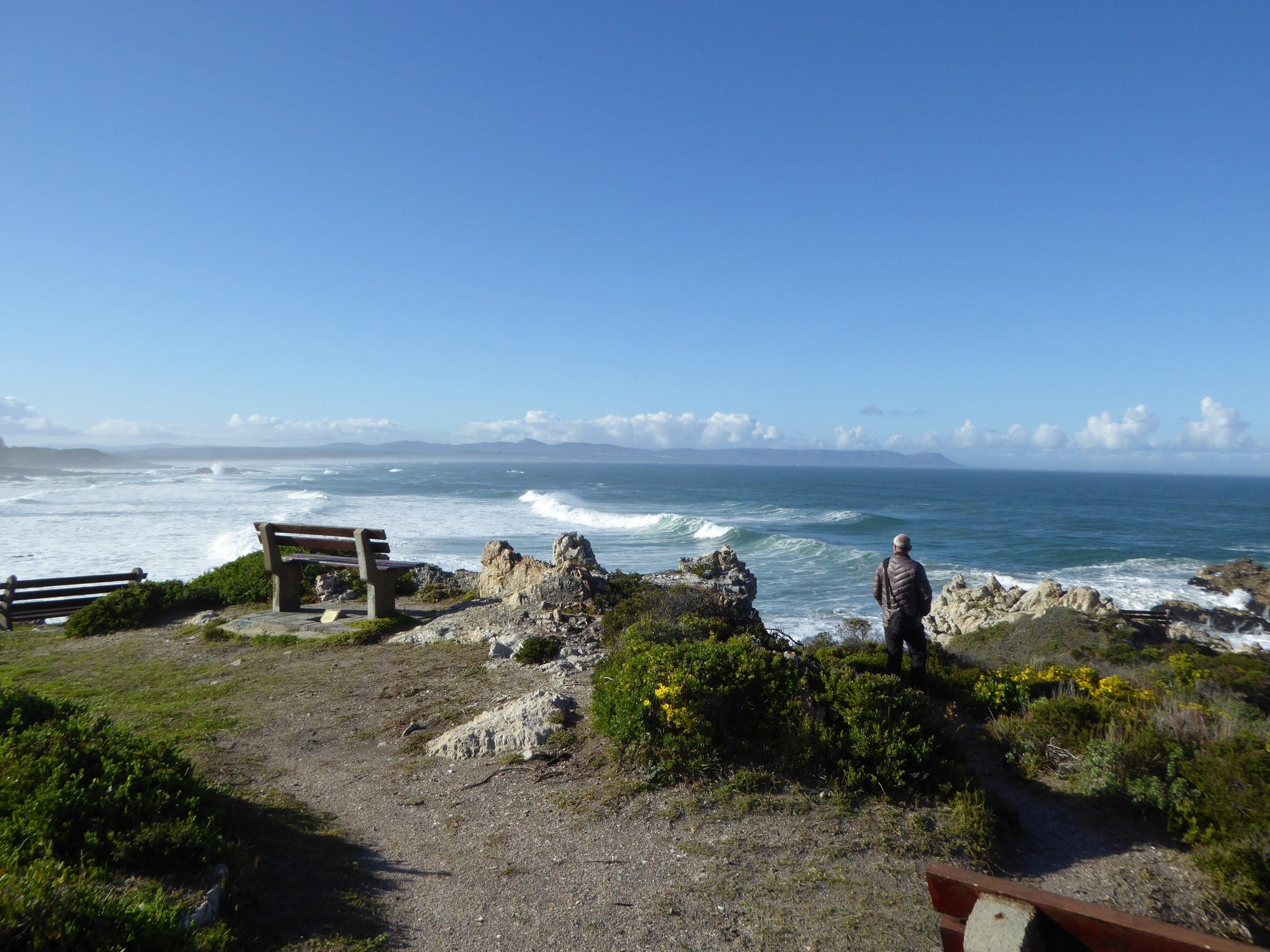
Along the cliff path. A path runs along the top of the cliffs, with benches and simple viewpoints. Walk it slowly. Stop often and scan the water in sweeps, left to right, looking for blows, dark shapes or white splashes on the horizon.
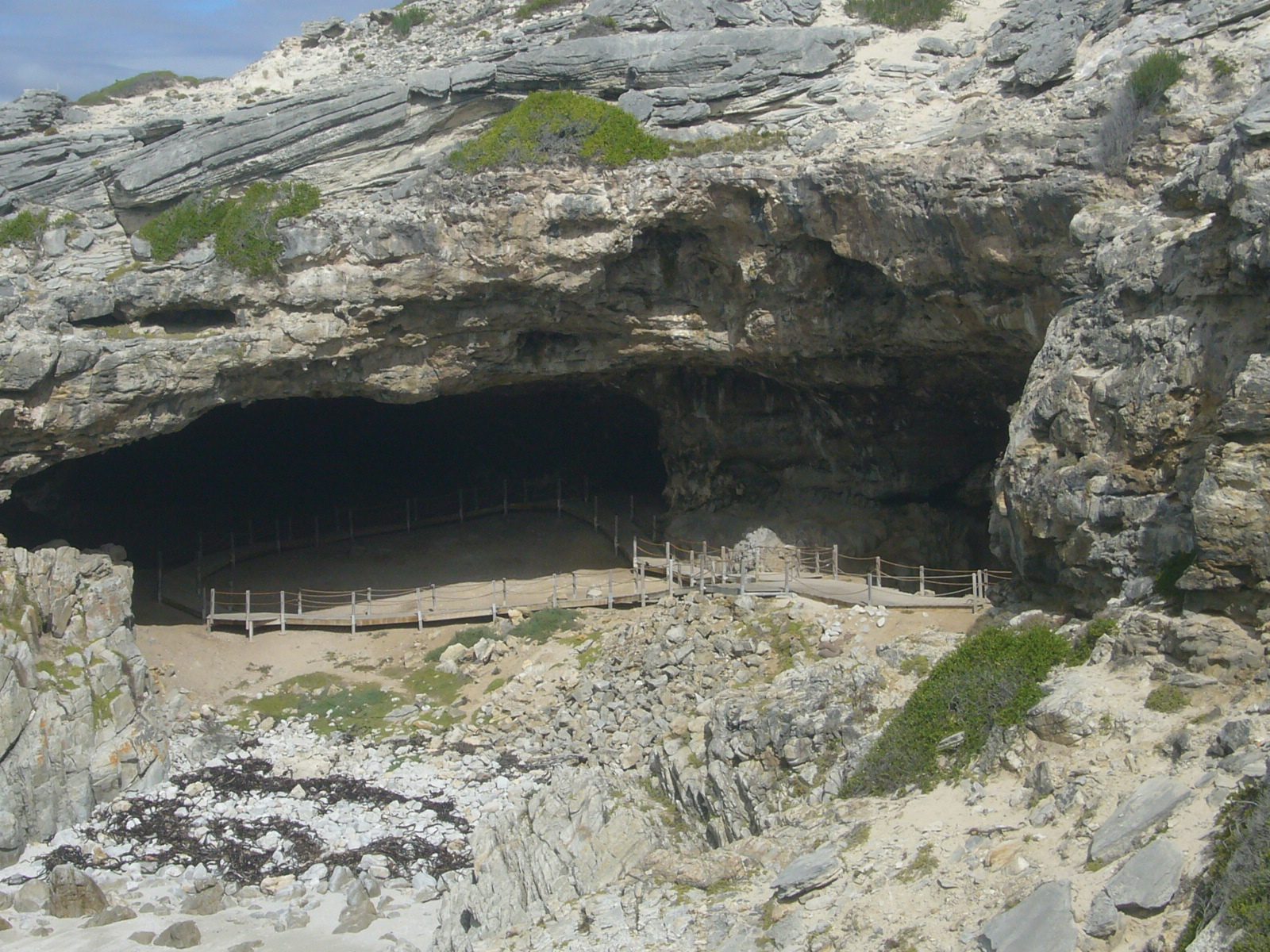
At the edge of the nature reserve. Near Klipgat Cave, the coast opens up to the west and you can see all the way along the curve of the bay towards Hermanus. It is one of the most beautiful views on the coast, with or without whales.
What you might see
- The blow. Southern rights have a V-shaped blow, visible from a long way off on still mornings.
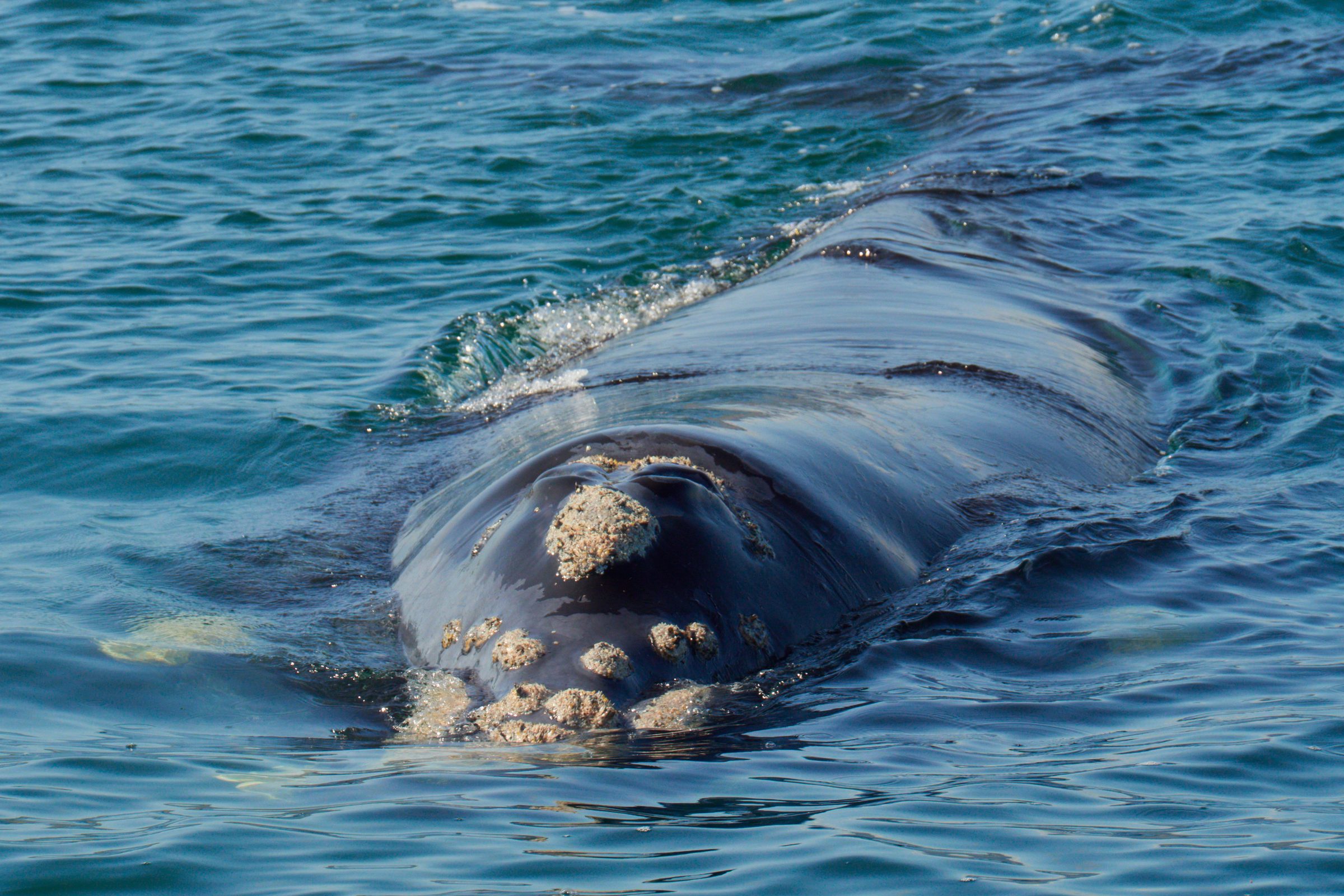
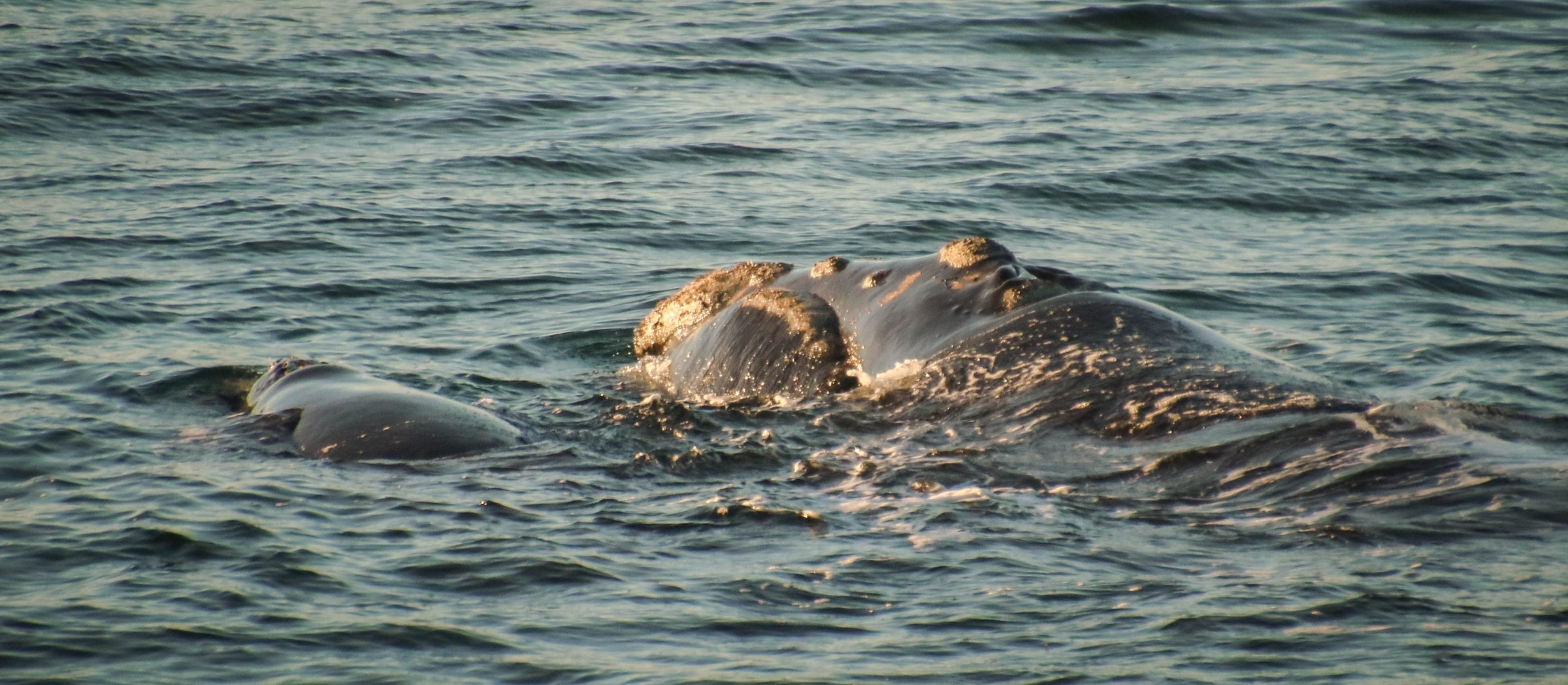
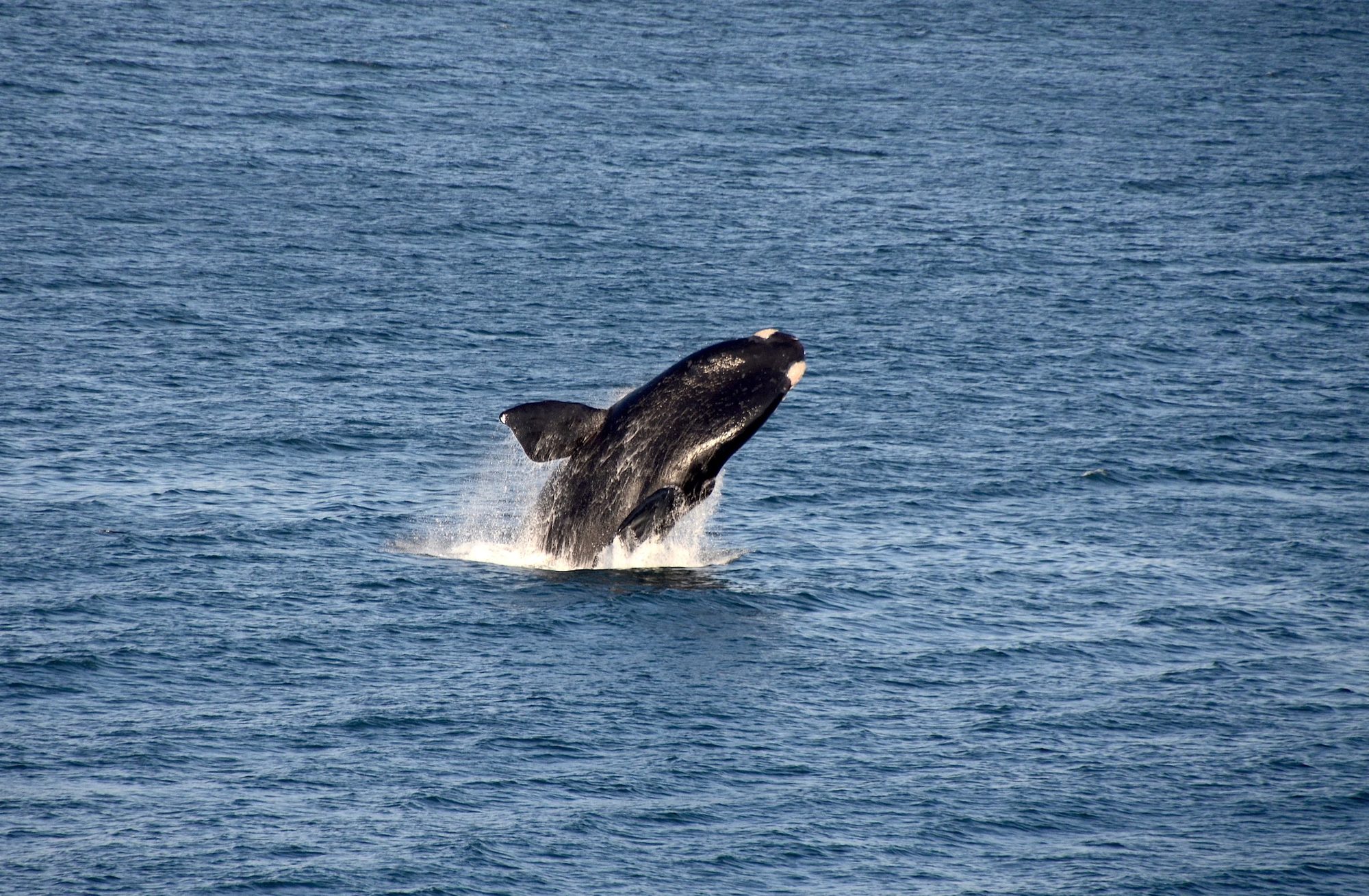
- Callosities. Rough, pale patches of skin on the head, unique to each whale, which researchers use to identify individuals.
- Breaching. A whale launches most of its body out of the water and lands with a crash. When one starts, it often repeats, so keep watching the same spot.
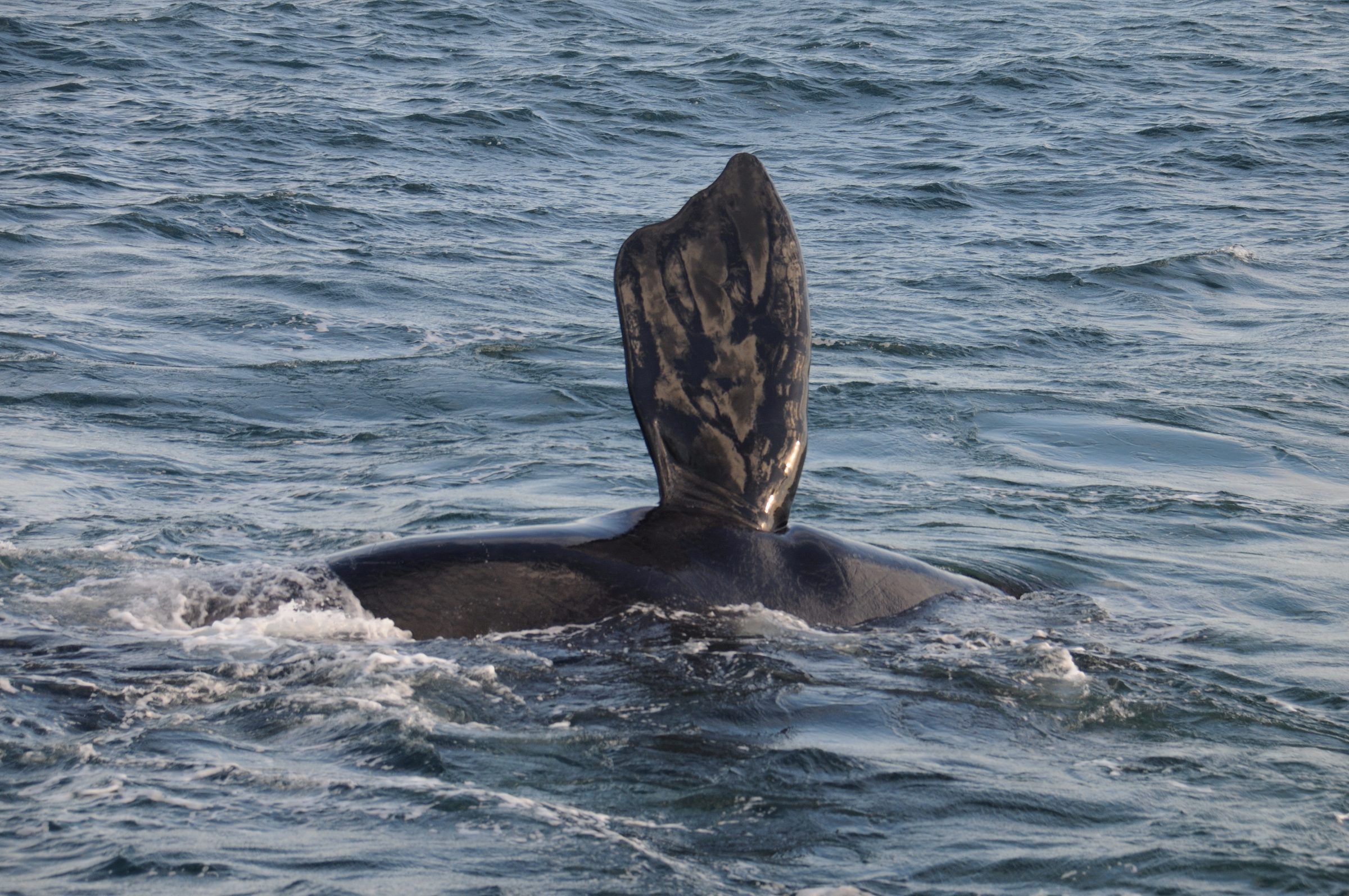
- Lobtailing and sailing. A tail slapped on the surface, or held up in the air for long moments.
- Mother and calf. A small, pale-bellied calf rising beside its mother, often very close to the rocks.
How to watch well
Bring binoculars; 8×42 or 10×42 are ideal. Choose a calm morning if you can, because a flat sea shows every blow. Keep your camera ready, but don’t spend the whole time behind it. And give it time: the best sightings tend to come when you have stopped trying.
If you want to get closer, licensed boat-based whale-watching trips run from Kleinbaai and Hermanus in season. Choose an operator that holds a permit and follows the regulations on approach distances. Many visitors find the view from land just as moving, and it is entirely free.
A season, not a sighting
The joy of whale season in De Kelders is not a single moment. It is the way the bay becomes part of your day. You learn which whale has a calf and where they rest in the afternoon. You notice a breach from the kitchen window and everyone stops what they are doing.
Stay here
To see what a whale-season stay could look like, see our sample stay, Villa Stilte: a clifftop house with a deck built for whale watching. It is illustrative only, not a bookable property. If you own a home on this coast with a view like this, we would love to feature it.