Walker Bay · Overberg · Western Cape, South Africa

De Kelders

Front row on Walker Bay.

Limestone cliffs, whales below the garden wall and fynbos to the horizon, two hours from Cape Town.

Front row on Walker Bay

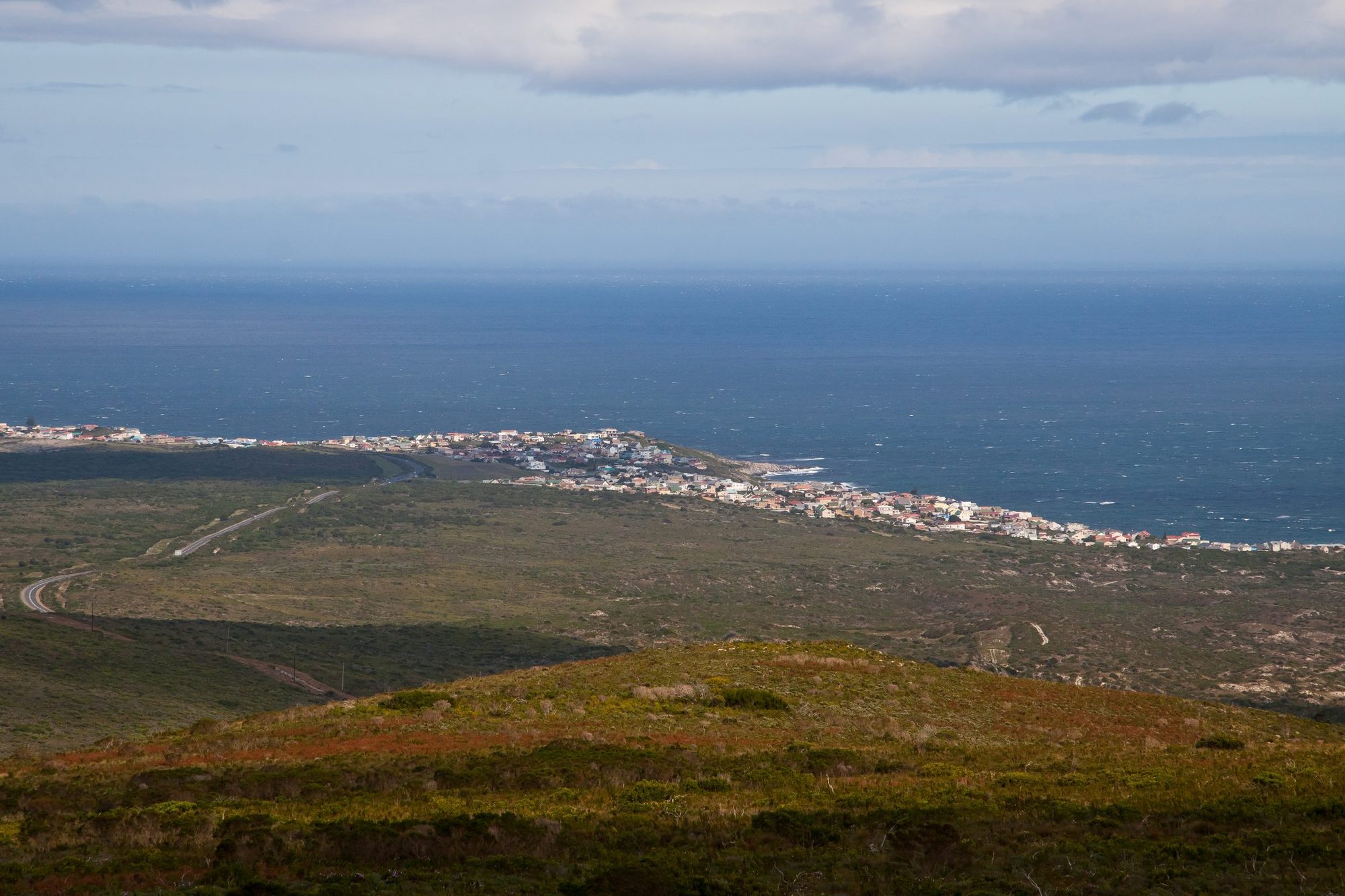
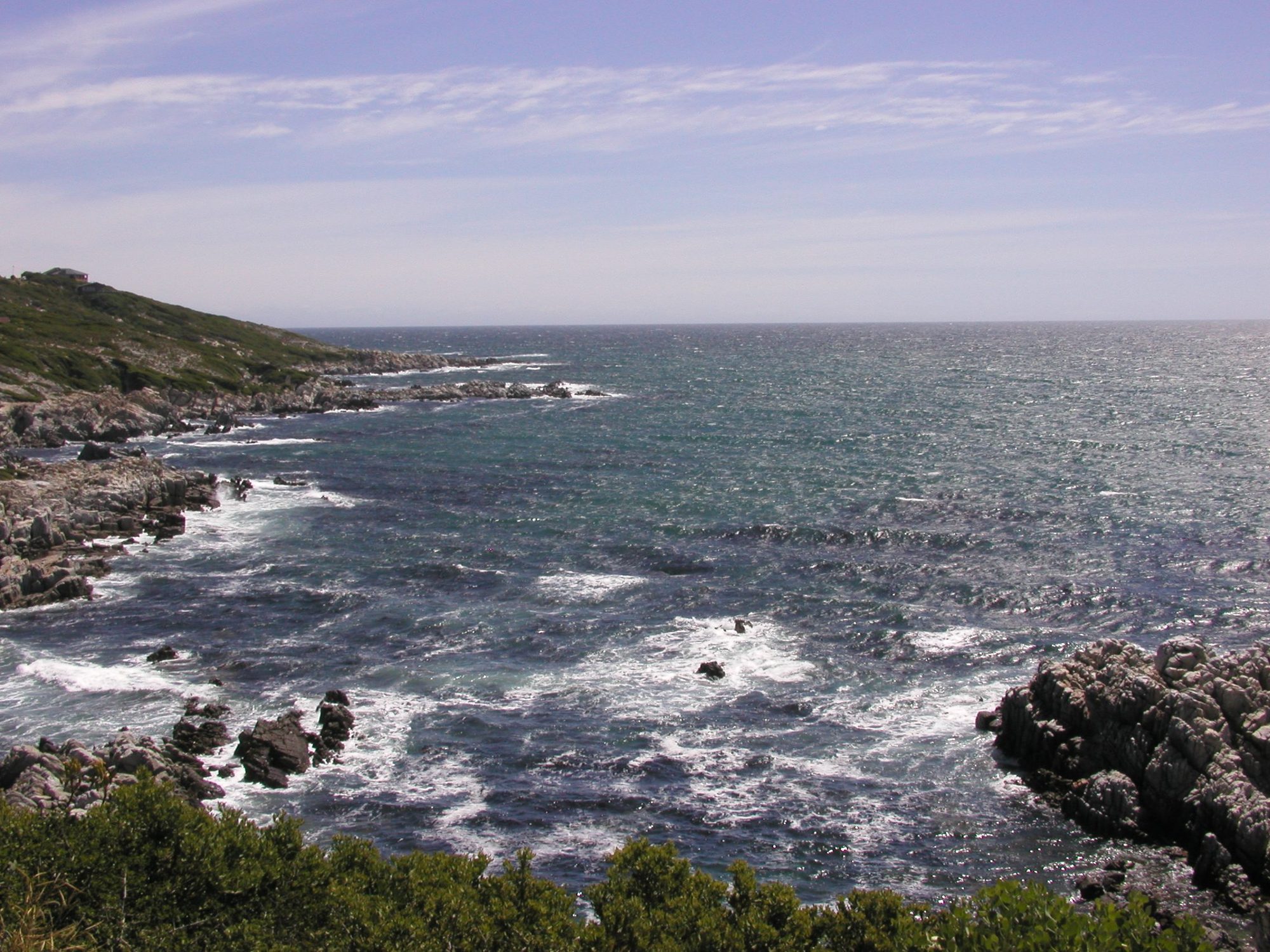
De Kelders is a small clifftop village on the eastern shore of Walker Bay in South Africa's Western Cape. Hermanus lies directly across the water, and Gansbaai's harbour is a few minutes along the coast. The name is Afrikaans for "the cellars", after the caves worn into the limestone below the village. What people remember, though, is the view. The land ends abruptly in pale rock and surf, and in whale season the bay beneath fills with southern right whales.

It is a place of houses rather than hotels. There are no promenades and no strip of shops, just low homes in fynbos gardens, a path along the cliff and a long white beach running away towards the mountains. Most visitors to the Overberg drive through De Kelders on their way to see sharks or wine farms. We think it is the best place to stay.
Why Stay Here

Six reasons to choose De Kelders

Whales from the shore

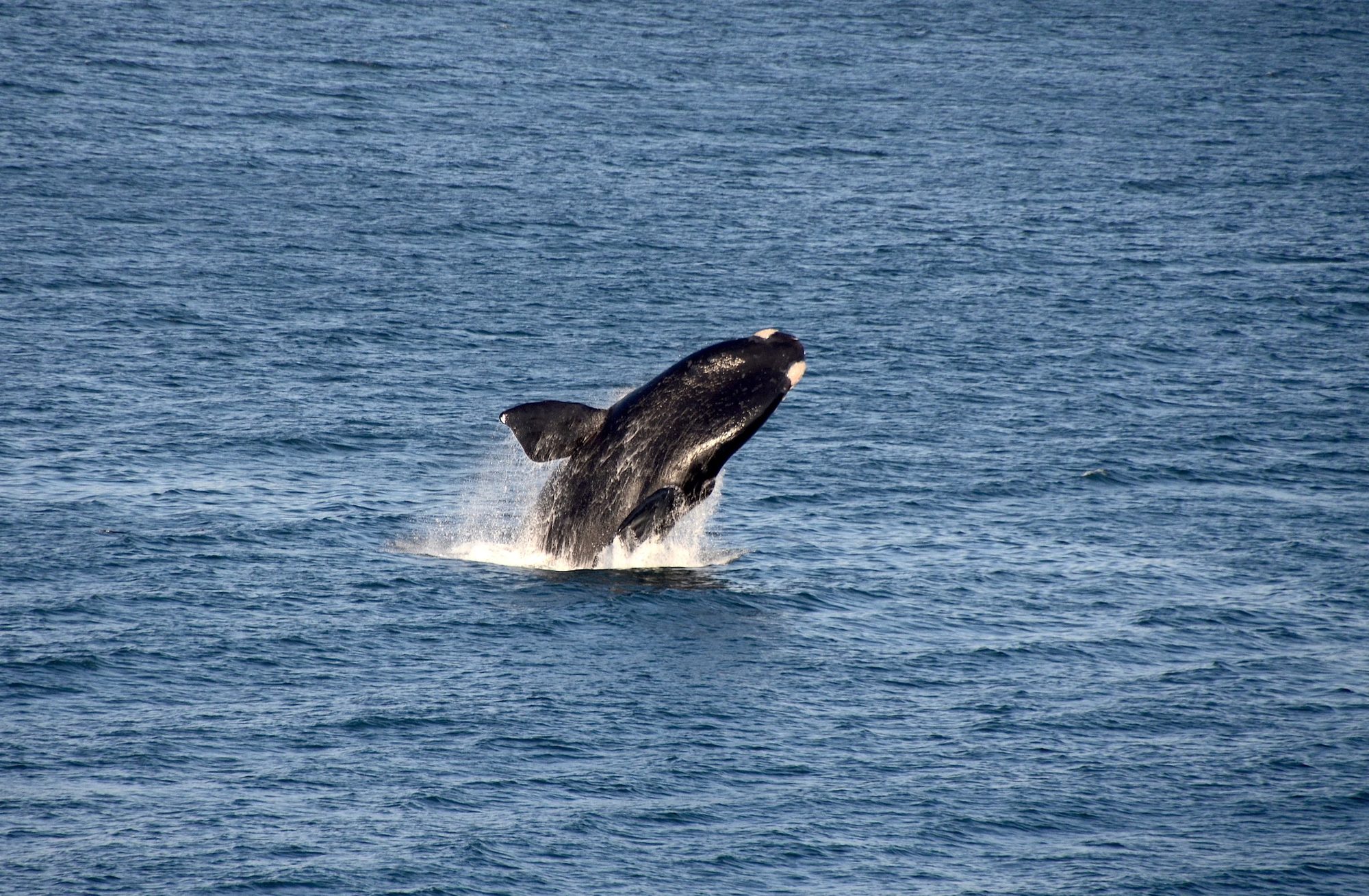
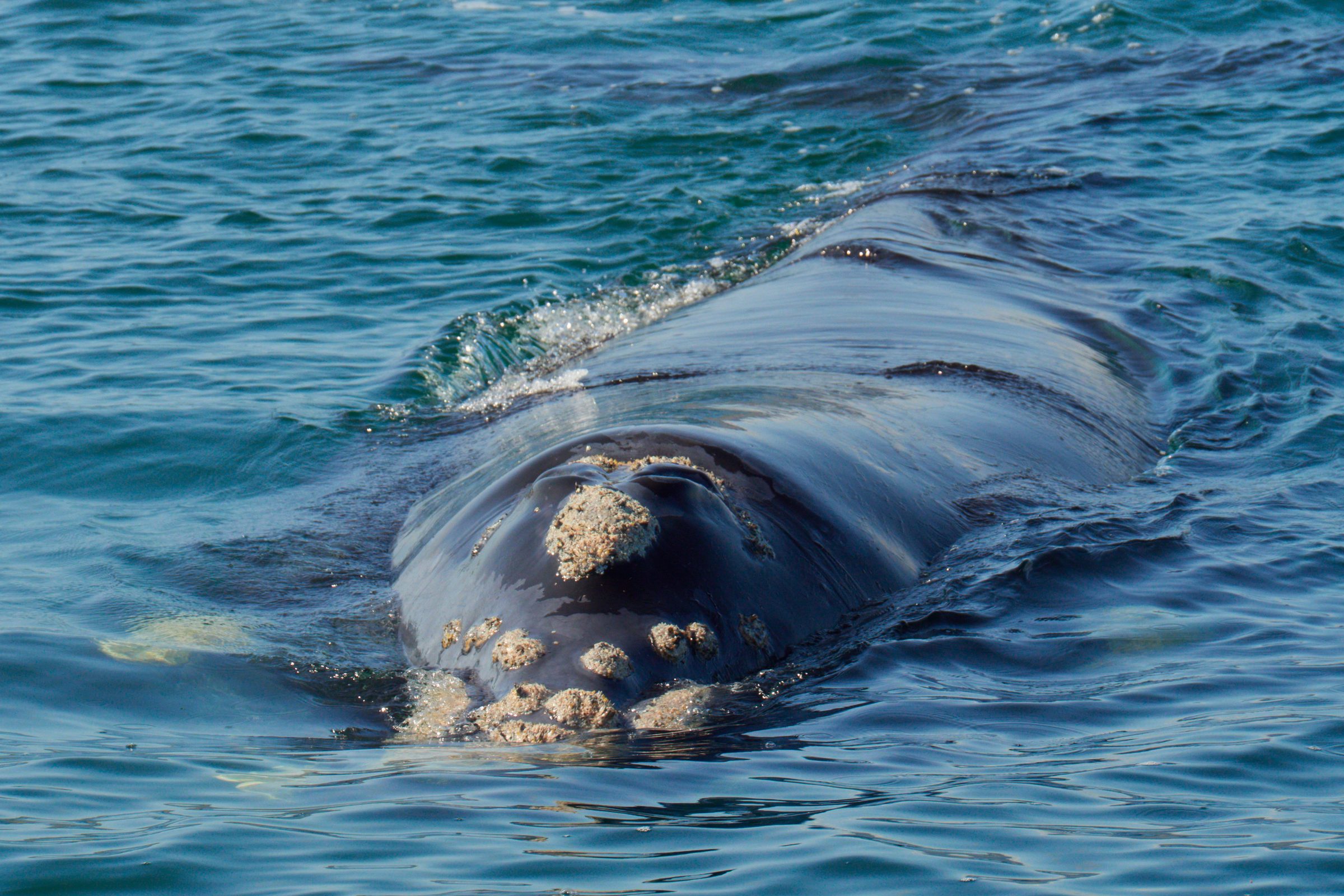
From roughly June to November, southern right whales come into the sheltered water of Walker Bay to calve and nurse their young. On calm days they can pass within metres of the rocks.

Ancient ground underfoot

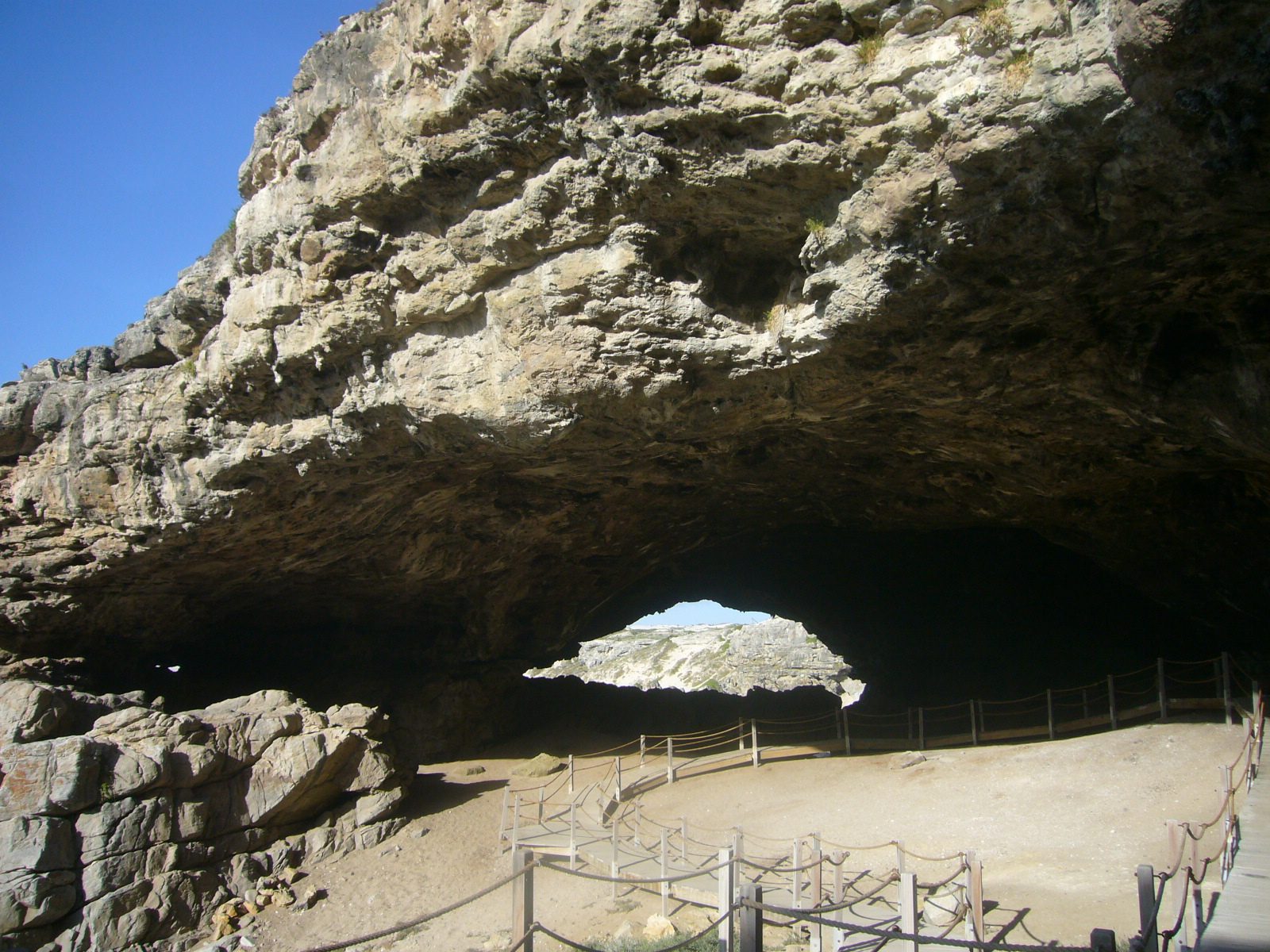
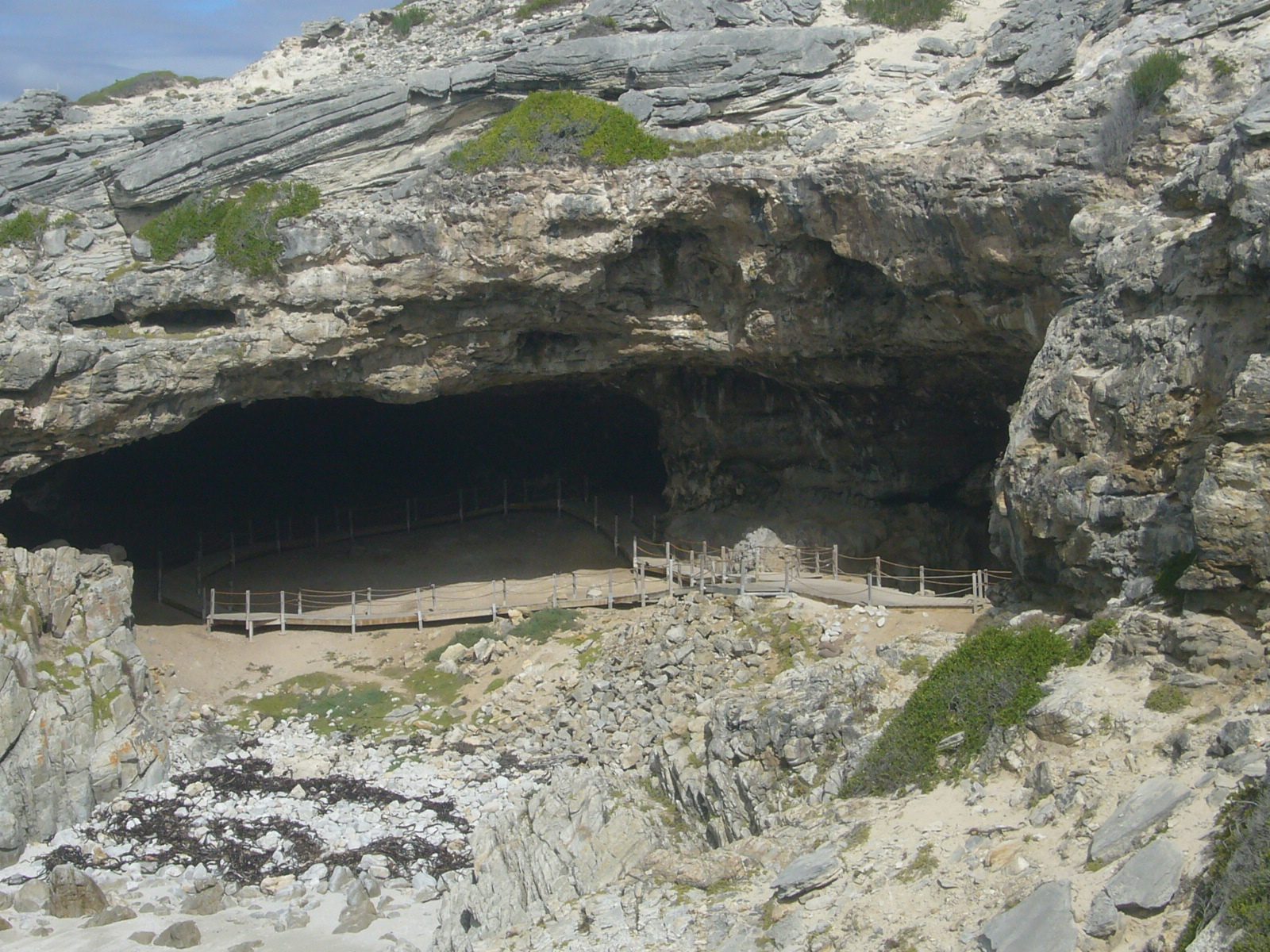
Klipgat Cave, at the edge of the village inside Walker Bay Nature Reserve, preserves traces of people who lived here in the Middle Stone Age, tens of thousands of years ago.

A beach that goes on and on

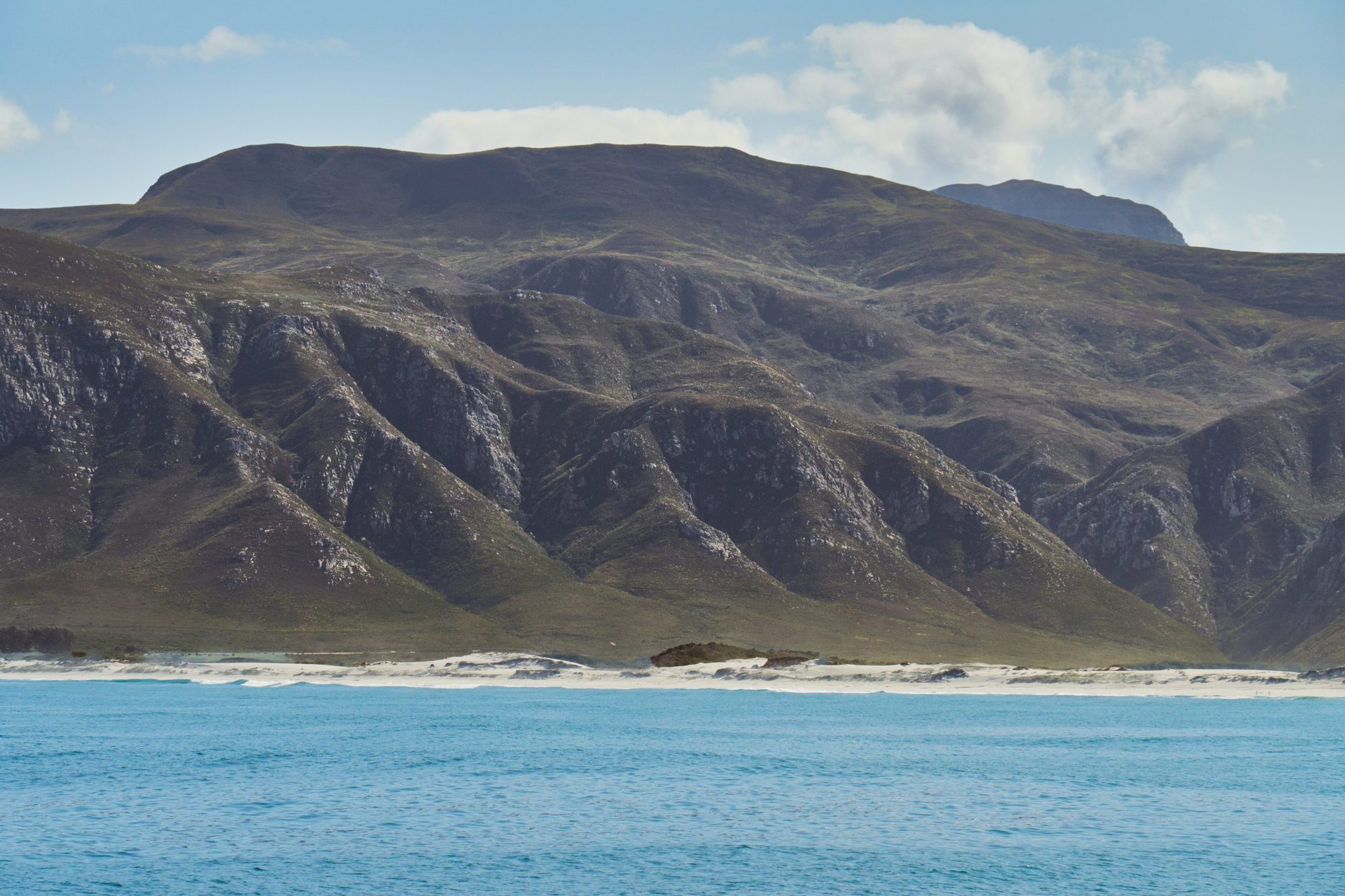
Below the village, Die Plaat runs west towards the Klein River as a sweep of white sand and limestone outcrops, protected within the nature reserve.

Fynbos on every side

The hills behind the coast belong to the Cape Floral Region, one of the richest plant kingdoms on earth. Grootbos Private Nature Reserve is a short drive away.

The whole Overberg within reach

Stanford's village tables, the wine of the Hemel-en-Aarde, Danger Point's lighthouse and the Marine Big Five of Dyer Island are all day trips.

Quiet by nature

De Kelders feels like a village because it is one.

A Day Here

Morning, afternoon, evening

Southern right whale surfacing in Walker Bay
ⓘ lumoplank, CC0

Mornings on the cliffs

Coffee on the deck, binoculars on the table. Early light comes across the bay from behind you, so the water in front is soft and silver. Whale blows show up as small white plumes. Once you have seen one, you will see ten.

Cave arch on the De Kelders coast
ⓘ Alexander Wunschik, CC BY-SA 3.0

Days in the Overberg

Walk down to Klipgat Cave, or follow the fynbos paths to the top of Die Plaat. Drive twenty minutes to Stanford for lunch, or book a morning boat from Kleinbaai out to Dyer Island.

De Kelders and Walker Bay seen from Grootbos
ⓘ Winfried Bruenken, CC BY 3.0

Evenings above the bay

The sun sets over the mountains on the far side of Walker Bay, towards Hermanus. After dark the lights of the town mark the far shore, and the only sound is the sea.

Plan

When to go

The first southern right whales usually arrive in June and numbers build through July and August. The peak is roughly September and October, when mothers with calves stay close inshore, and whales can still be seen into November. Hermanus holds its whale festival around the start of October. Sightings are natural events and never guaranteed, but few places in the world offer better whale watching from land.

Whales, lengthening days and fynbos in flower. This is our favourite time.

Long, bright days, beach walks and swimming in the lagoons, with the Cape's southeaster keeping afternoons fresh. It is the busiest time on the coast, but De Kelders stays unhurried.

Settled weather, fewer people and golden light. A good season for walking and wine.

Cooler, greener and dramatic, with Atlantic swells, fires in the evening and the first whales of the season. For many travellers from northern Europe it is a welcome escape from grey winters at home.

Travel

Getting there

Fly into Cape Town International Airport (CPT). Many European cities connect via a direct flight or a single stop.

De Kelders is about 160 km from Cape Town, roughly two hours by car. Take the N2 over Sir Lowry's Pass, turn off onto the R43 towards Hermanus, and continue through Stanford to De Kelders. The alternative is the slower, spectacular coastal road through Gordon's Bay, Betty's Bay and Kleinmond. A car is essential for exploring the Overberg.

Stock up in Hermanus or Gansbaai. Each home in the collection shares its own arrival notes.

Explore

What's nearby

All times are approximate driving times from De Kelders.

PlaceTime
Gansbaai & Kleinbaai harbour5–10 min
Grootbos Private Nature Reserve~10 min
Stanford~20 min
Danger Point Lighthouse~20 min
Hermanus~40 min
Hemel-en-Aarde Valley~50 min
Cape Town~2 h

Stay Here

A handpicked collection around De Kelders

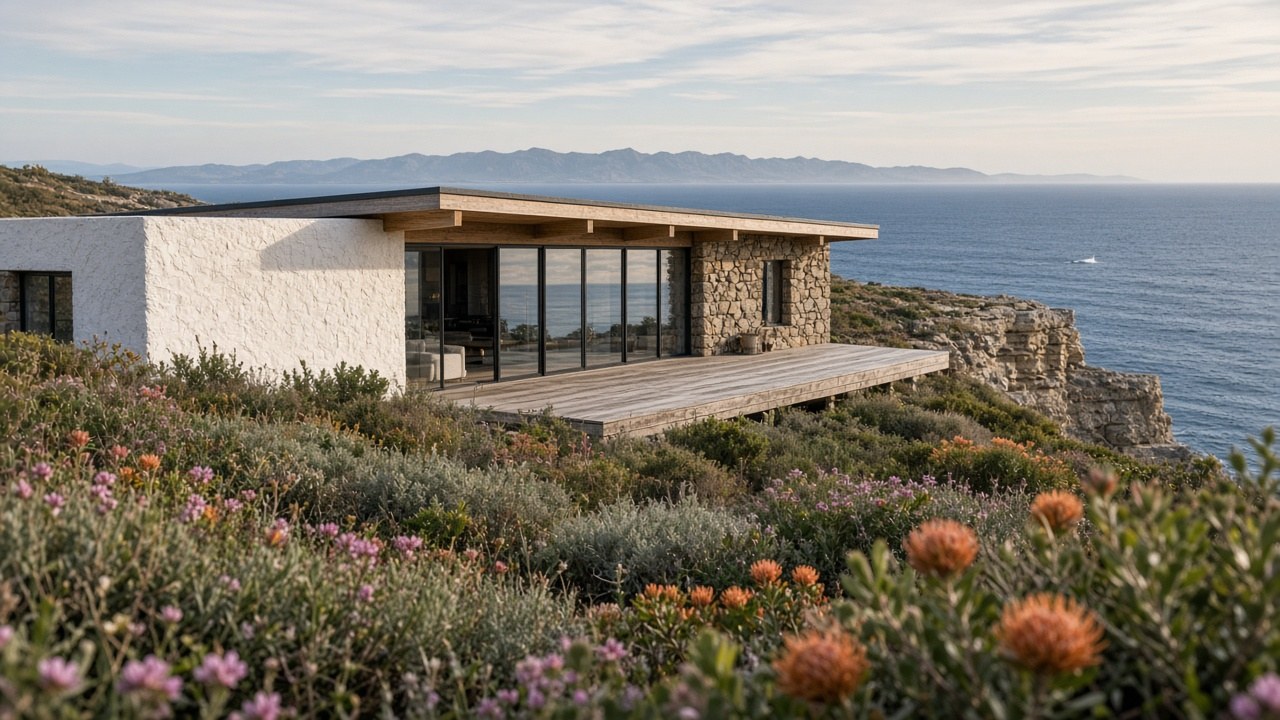
The Quiet Cape is building a small collection of homes in and around De Kelders. See our sample stay, Villa Stilte, for how a home in the collection is presented.

It is illustrative only and not a bookable property. If you own an exceptional home on this coast, we would love to hear from you.

Practical notes

  • Walker Bay Nature Reserve is managed by CapeNature. Klipgat Cave and Die Plaat are reached through the De Kelders gate. A conservation fee applies; check current gate times and fees with CapeNature before you go.
  • Sea safety: the De Kelders shoreline is rocky and exposed, with powerful swells. Swim at recognised beaches and lagoons, stay back from wet rocks, and never turn your back on the sea.
  • Weather: pack layers year-round. The Cape's weather can change within an hour.
  • Language: English is widely spoken; Afrikaans is the everyday language of much of the coast.