Walker Bay has two horns. In the west, the land runs out beyond Hermanus. In the south-east, past De Kelders and Gansbaai, a low, rocky headland pushes out into the Atlantic. It is called Danger Point, and the name is earned.
The lighthouse
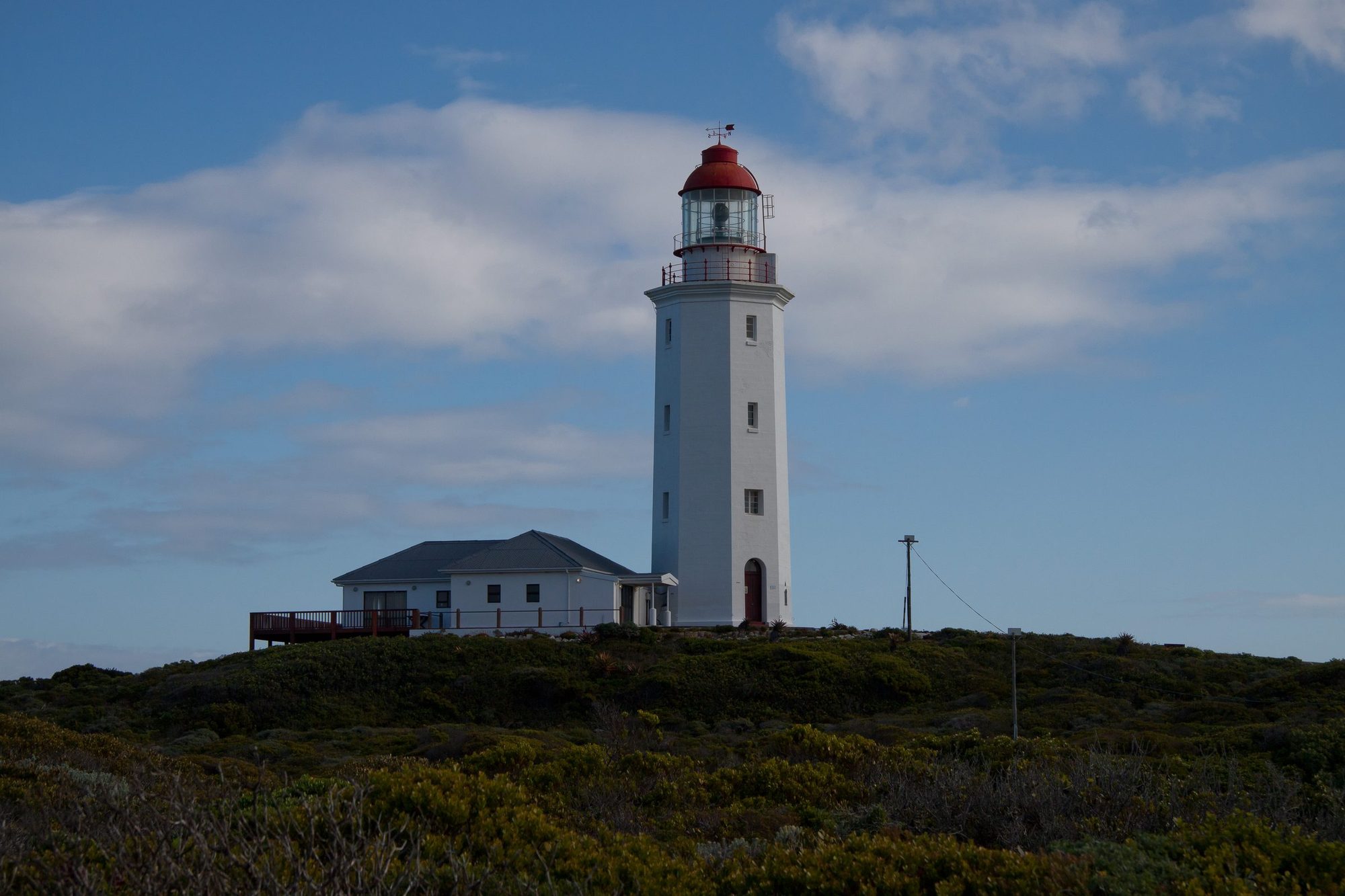
Danger Point Lighthouse was first lit on 1 January 1895. It is an octagonal masonry tower, painted white, with a red-domed lantern. At about 18 metres tall, it is not large, but out here, surrounded by low fynbos and open sky, it has great presence. The lighthouse is still a working aid to navigation, operated by the national ports authority, which lists it as open to the public. Check current visiting arrangements before you go.
The drive out is part of it: a narrow road through coastal bush, with the ocean on both sides and the tower growing slowly larger ahead.
The Birkenhead
The lighthouse was built because of what lies offshore. In the early hours of 26 February 1852, the troopship HMS Birkenhead, carrying British soldiers and a number of women and children to the Eastern Cape, struck an uncharted rock about one and a half kilometres off Danger Point. The ship broke up and sank quickly.
There were too few working lifeboats. According to the accounts that became famous, the soldiers stood firm on deck while the women and children were put into the boats, and all the women and children survived. Only 193 people survived in total; most of the soldiers and crew were lost.
Their conduct gave rise to the phrase the “Birkenhead drill”: women and children first. The rock the ship struck is still known as Birkenhead Rock. A memorial stands at the lighthouse, and the local community marks the anniversary each year. Over the decades, many other ships have been wrecked along this stretch of coast.
Standing at the lighthouse on a grey, windy day, looking out at the white water over the reef, you can feel the weight of that story.
Gansbaai and Kleinbaai
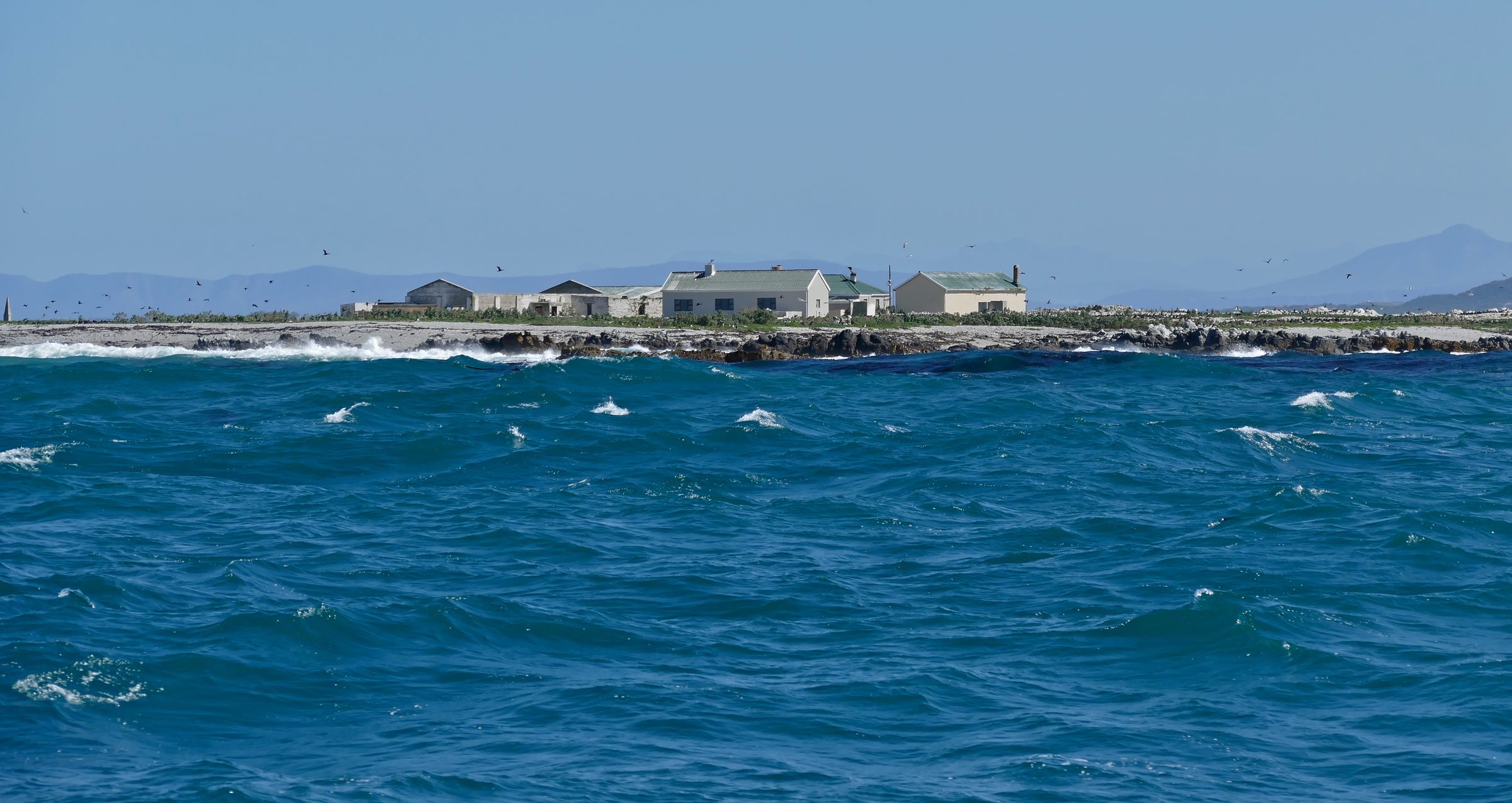
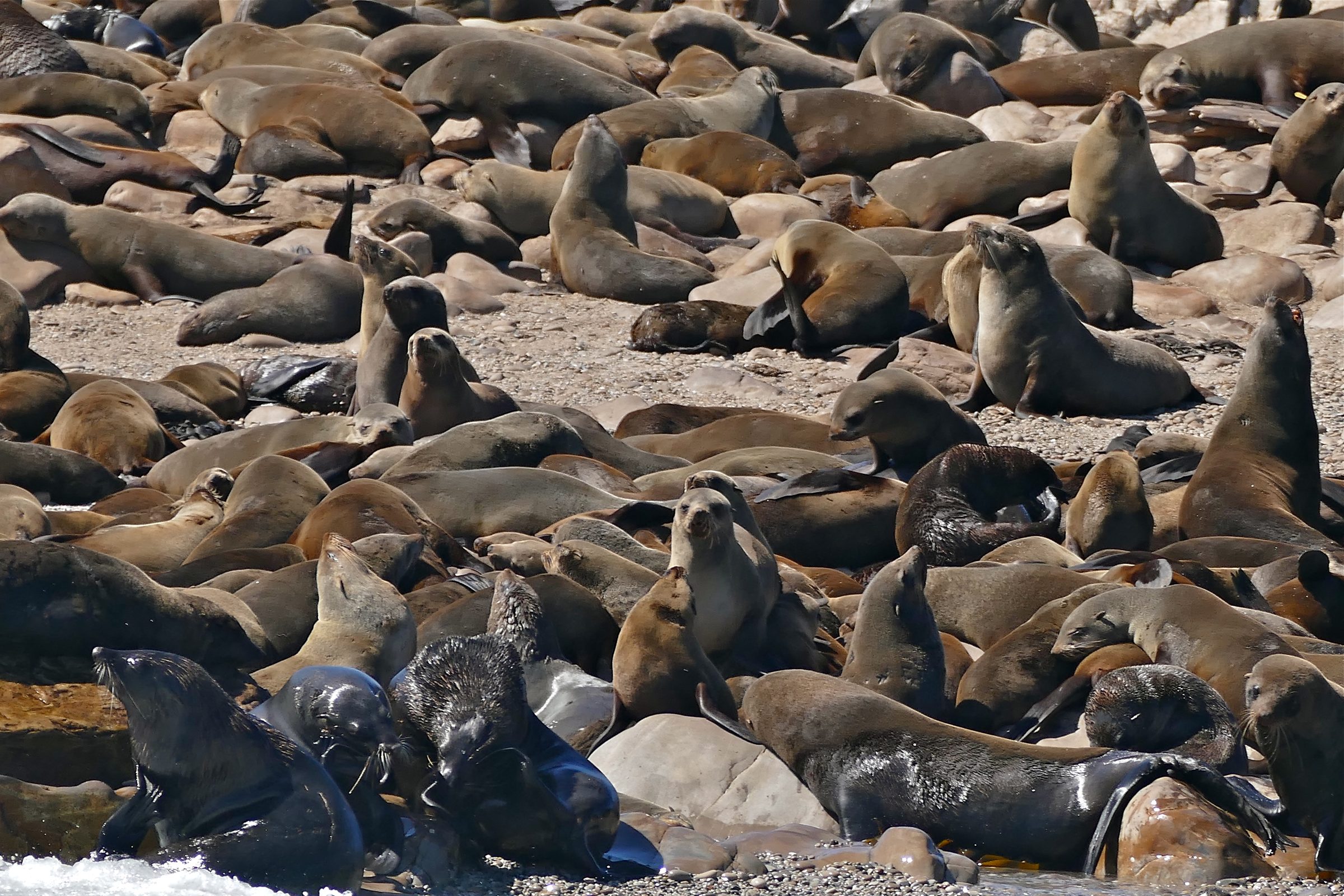
Between De Kelders and Danger Point lies Gansbaai, a working fishing town, and next door, the small harbour of Kleinbaai, from which boats head out to Dyer Island and Shark Alley. Gansbaai is where you buy your groceries, eat fish and chips by the harbour and watch the boats come in. It makes no effort to be pretty, which is part of its charm.
A wilder shore
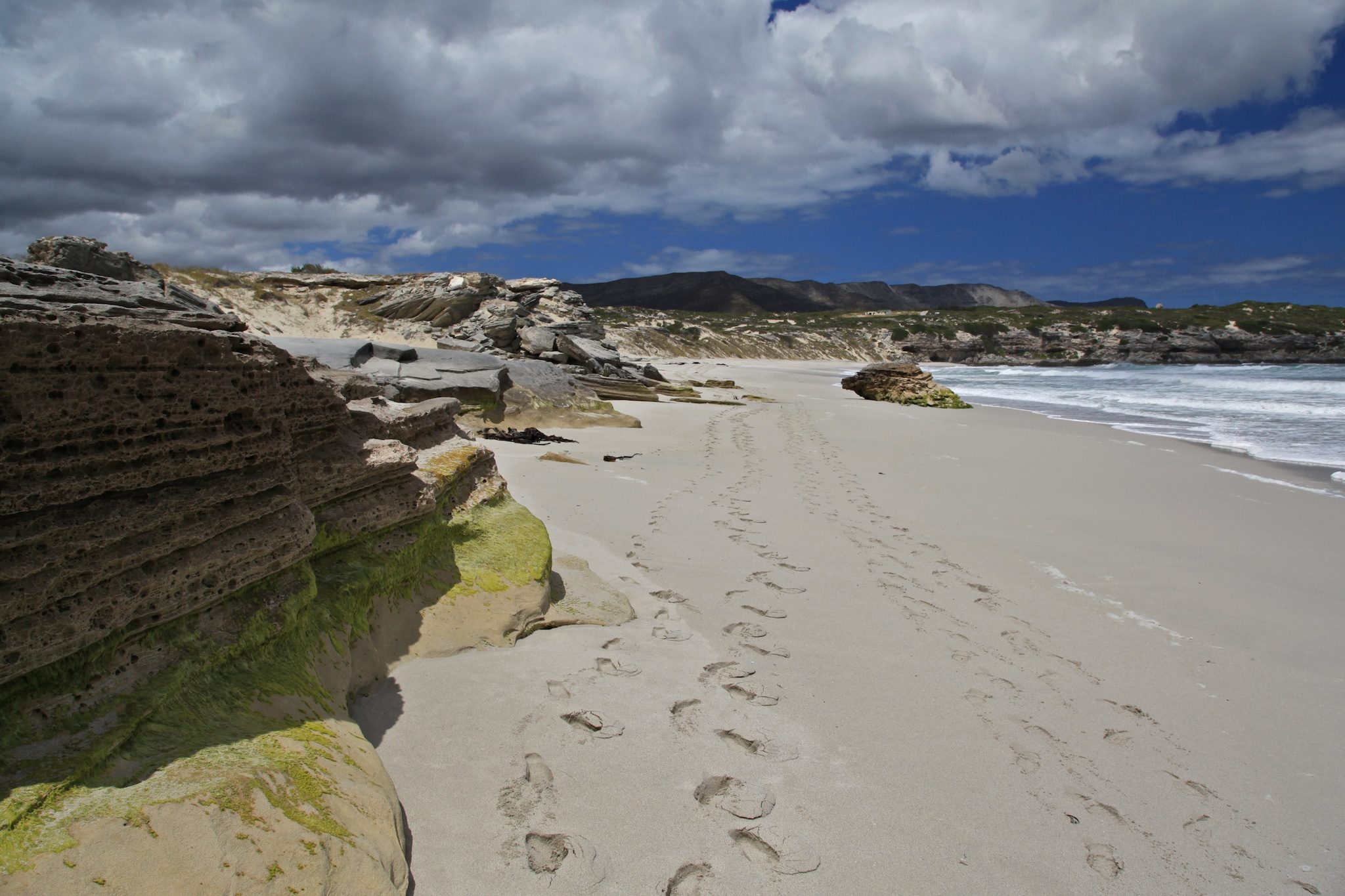
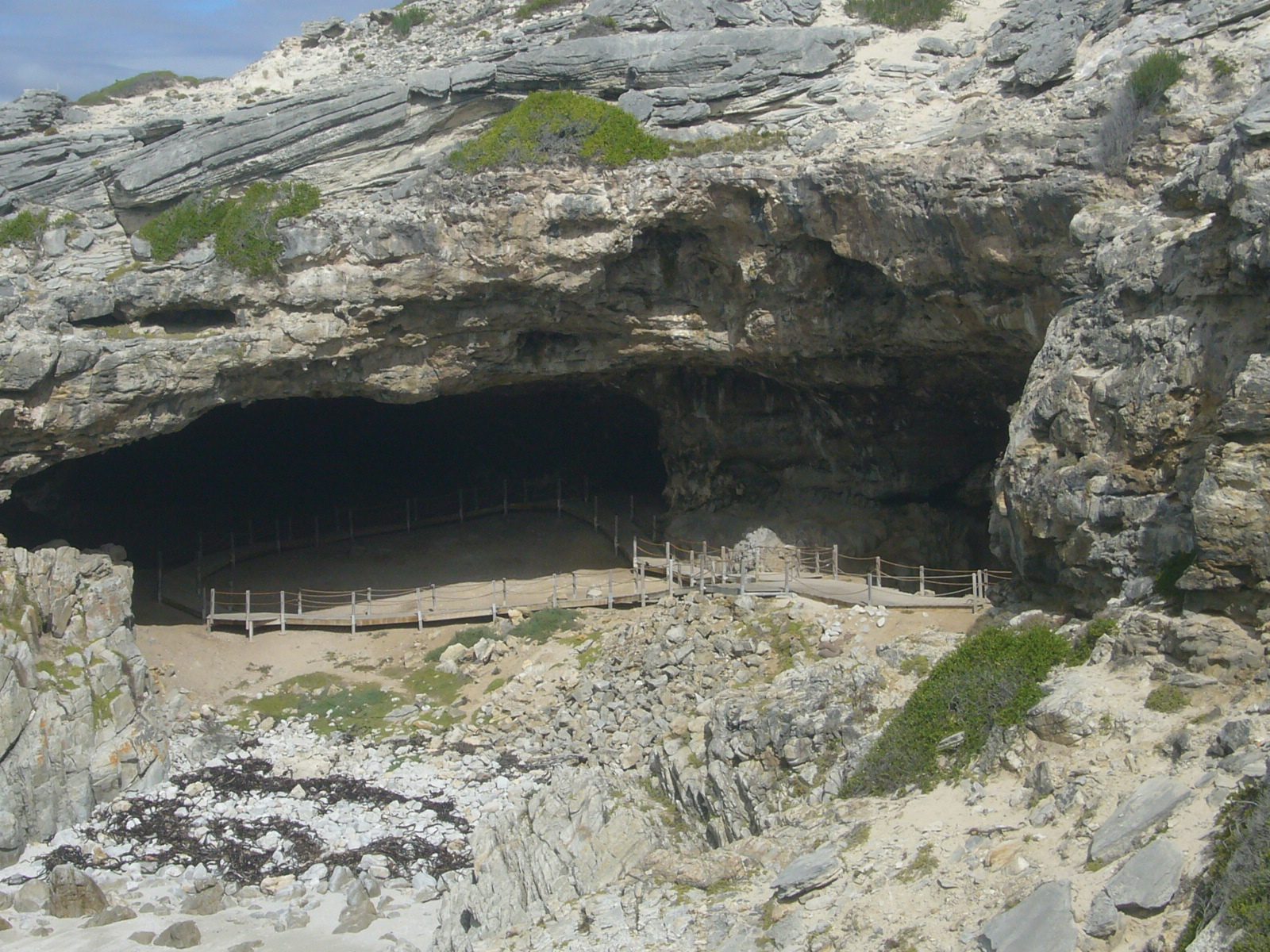
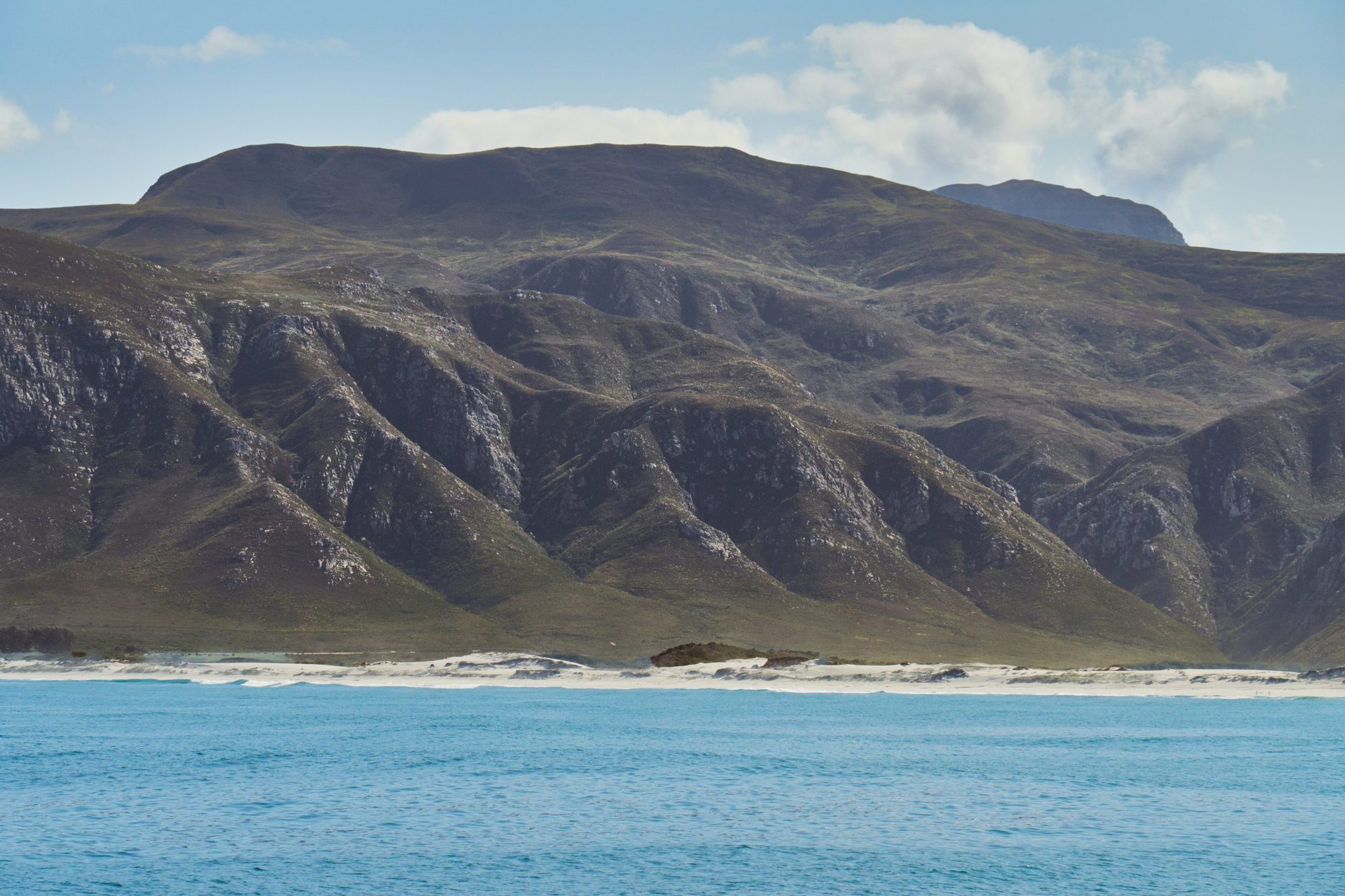
Beyond the lighthouse, the coast turns east into a string of small settlements, rocky bays and long beaches. It is a coast of seabirds (look for African black oystercatchers, with their black plumage, red bills and pink legs, working the rocks) and of fishermen casting from the ledges. The sea here is powerful and unpredictable. Enjoy it from the shore and stay well back on wet rocks.
How to fit it in
Danger Point is about twenty minutes from De Kelders, which makes it an easy half-day. Pair it with a morning boat trip from Kleinbaai or a visit to the African Penguin & Seabird Sanctuary, or go at the end of the day, when the light turns gold across the fynbos and the lighthouse glows white against the sky.
Stay here
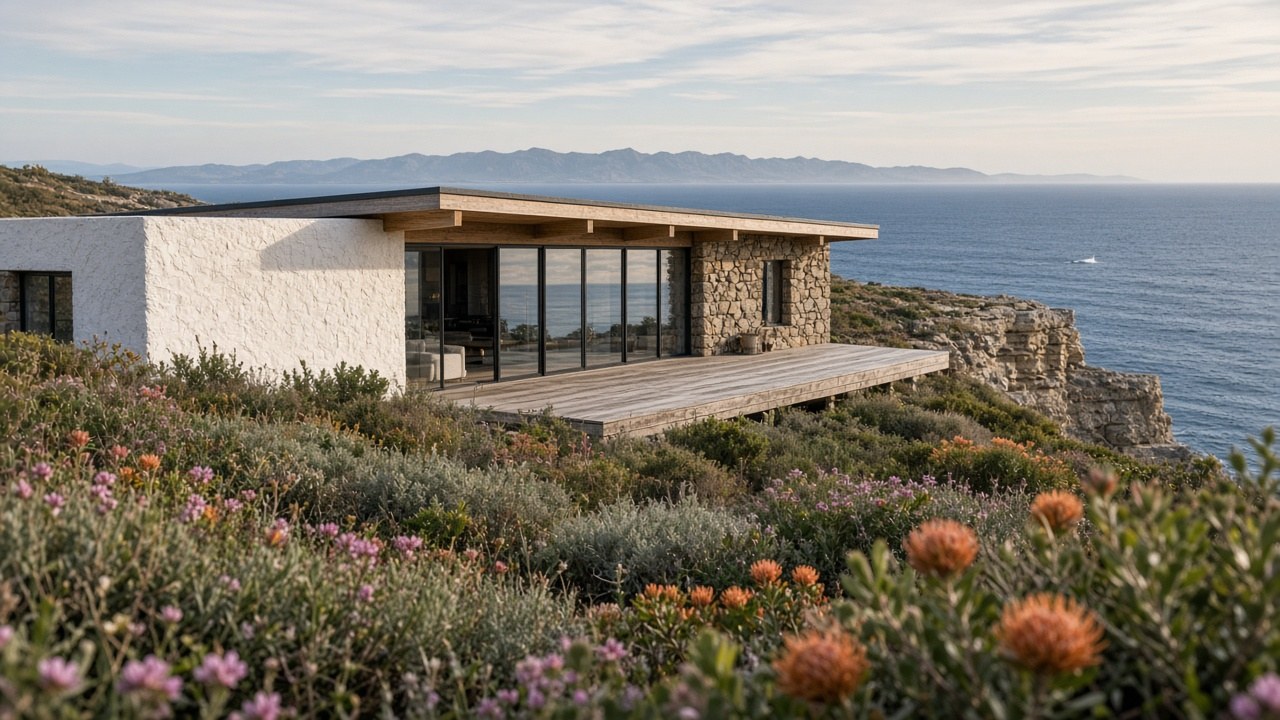
Danger Point is one of many easy excursions from our sample stay, Villa Stilte, in De Kelders. It is illustrative only, not a bookable property. If you own a home on the Gansbaai coast with a sense of place like this, The Quiet Cape would like to hear from you.